
Service 02 of 08
Individualized Home Supports with Family Training (245D)
Independence is built one skill at a time, in the place a person actually lives. Our 245D home supports program works inside the home on the practical abilities that make daily life manageable, and it brings families along, because the people around someone shape their progress as much as any staff member does.
Overview
What this program does
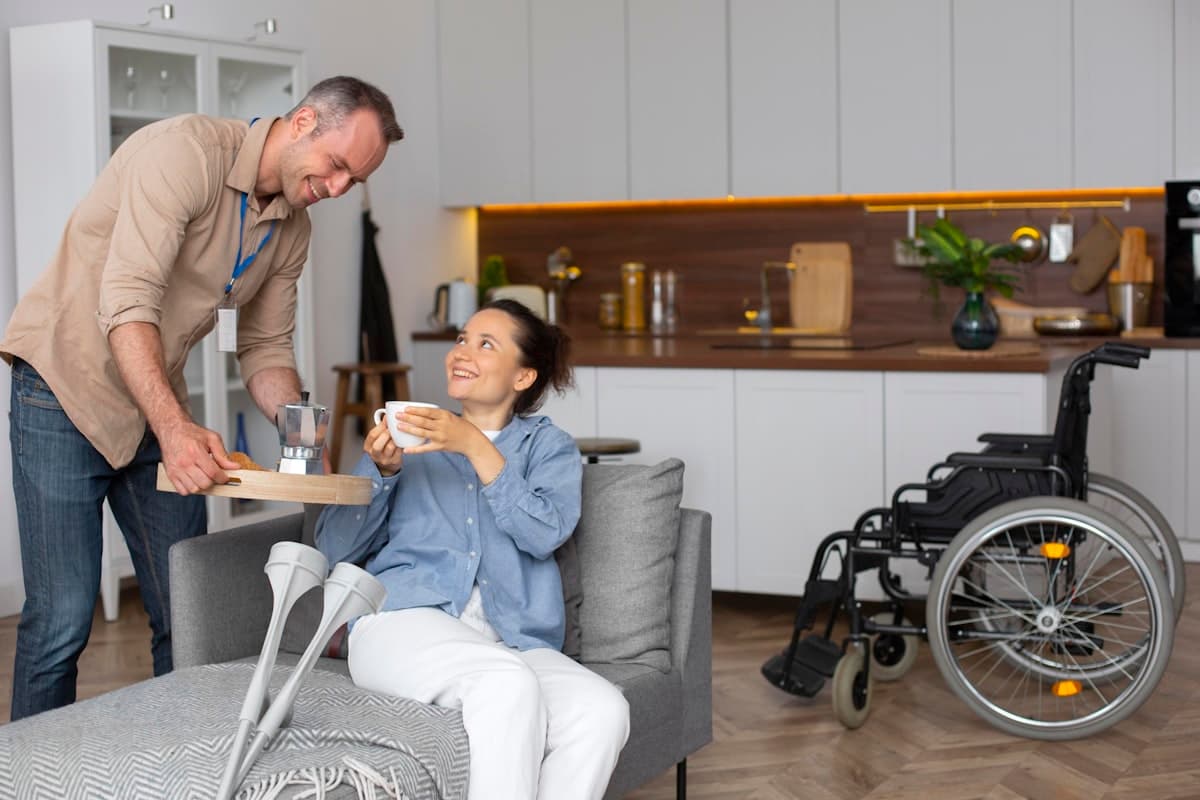
Our 245D home supports program provides personalized in-home support that helps individuals with disabilities develop and maintain the skills needed for independent living. We work closely with families, providing training and guidance to ensure a supportive home environment.
Who It's For
- Adults with disabilities working toward more independence at home
- People who need consistent support with daily routines, health, and safety
- Families who want training and strategies rather than just extra hands
- Individuals transitioning to their own home from a family or group setting
Getting Started
How home supports works
- 01
Referral and intake
Your case manager sends a referral, or you reach out directly. We talk through goals, current supports, and what's already working.
- 02
Person-centered plan
We build a support plan around specific, meaningful outcomes, not a generic checklist, and agree on how progress will be measured.
- 03
Ongoing support and training
Staff work alongside the individual in the home, and family members get the coaching they need to reinforce the same approach.
Common Questions
Questions we hear most.
Not seeing yours? Call us. A real person answers, and there's no obligation.
All frequently asked questions- What does 245D mean?
- 245D is the Minnesota statute that licenses home and community-based services for people with disabilities. It sets the standards providers must meet for staffing, training, rights protections, and service planning.
- Does the family have to participate?
- Family training is available, not mandatory. Many families find it's the piece that makes the difference, but the level of involvement is always the individual's and family's choice.
- Where does the support happen?
- Primarily in the individual's own home, plus the community settings that are part of their routine: appointments, errands, and neighborhood activities.
Explore More
Other ways we support people.
Ready When You Are
Let's talk about home supports.
Tell us what's going on and we'll help you understand your options, including whether this is the right program to start with.